The Brenthurst Library has a threefold mission:
To build and enhance the collections
To preserve and maintain them
To share the contents of the collections and disseminate knowledge
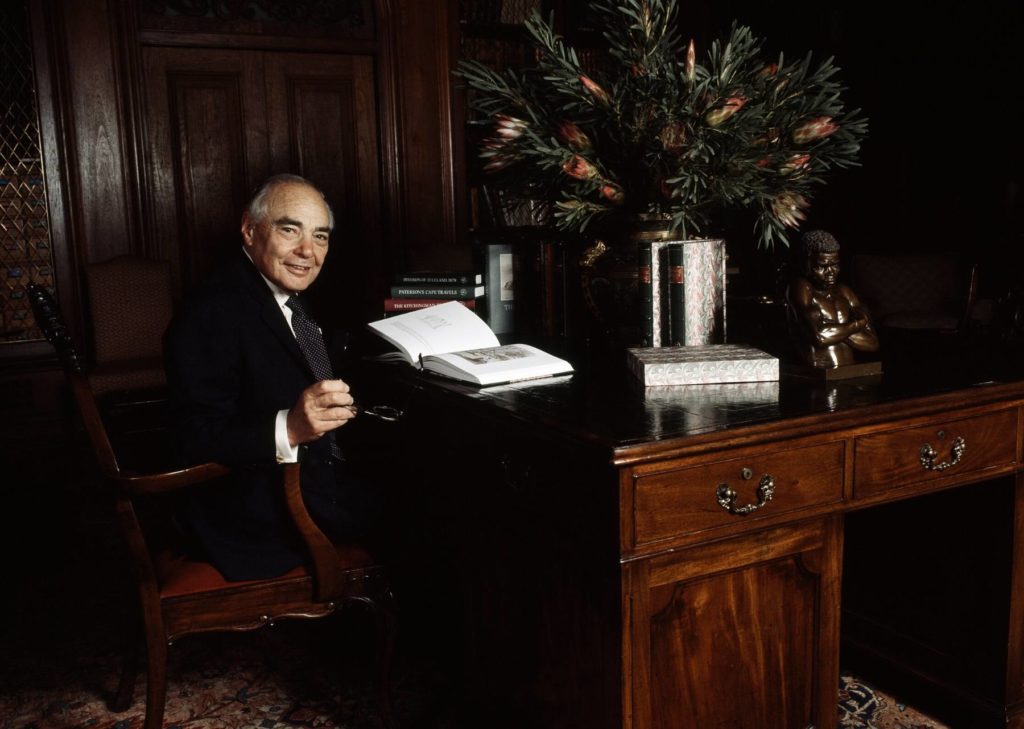
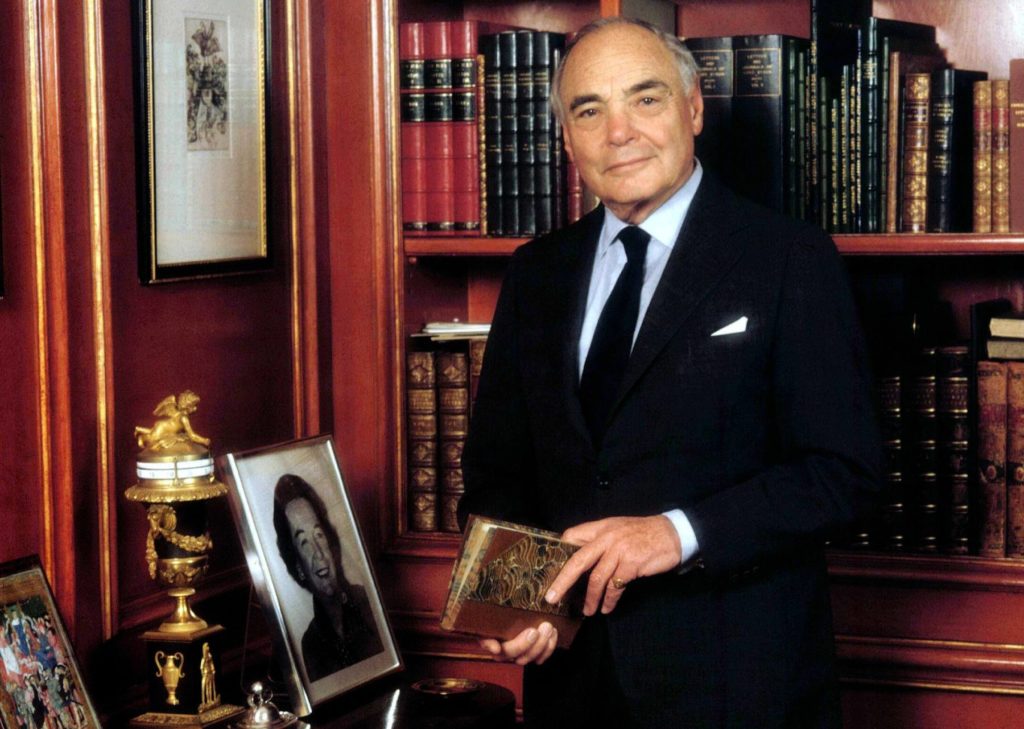
The Brenthurst Library grew out of the personal collections of its founders, Sir Ernest Oppenheimer and his son Harry Oppenheimer, with the choice of material reflecting their interests and preferences.
The library includes books and pamphlets, manuscripts, maps, artworks, photographs and postcards.
In 2023 the Brenthurst Collection of Southern African Art was relocated from the Johannesburg Art Gallery to The Brenthurst Library.
In 1902, 22-year-old Ernest Oppenheimer was sent to Kimberley in South Africa, to represent the firm of A Dunkelsbuhler & Company, a diamond merchant. He became steeped in the diamond industry, municipal business and the affairs of the country and decided to make South Africa his home. Interested in the history of the country, he began collecting Africana relating, in particular, to southern Africa.
He forged a friendship with Major William Jardine, a noted collector of Africana, and also received advice in building up his collection from Paul Ribbink, the Librarian of the Library of Parliament.
The collection remained in Kimberley until the 1930s, when Sir Ernest Oppenheimer built a large library/reception room in Little Brenthurst, one of the homes on the Brenthurst Estate in Johannesburg.


Harry Oppenheimer shared his father’s interests and, after he inherited the collection, he “felt it should become more specialised, that it should concentrate on things of historical interest, particularly manuscripts reflecting history, as well as fauna and flora”. To make the most interesting and significant works available to a wider audience, he founded The Brenthurst Press, which published scholarly and beautiful books based on the holdings of the library.
The gradually-expanding collection remained in Little Brenthurst until it was clearly no longer suitable to house such a collection under normal household conditions. There were also increasing requests from researchers for access, so a decision was made to build a library in the grounds of the family’s estate. Designed by architect Hans Hallen and opened by Alan Paton on 23 February 1984, the new facility housed the collection in climate-controlled conditions and included a conservation studio, responsible for the preservation and conservation of the collections.